Networked Data Aggregation Reshapes Jackpot Release Patterns in Digital Gaming Platforms
Sage Vogel · Nov 2, 2026
Networked Data Aggregation Reshapes Jackpot Release Patterns in Digital Gaming Platforms
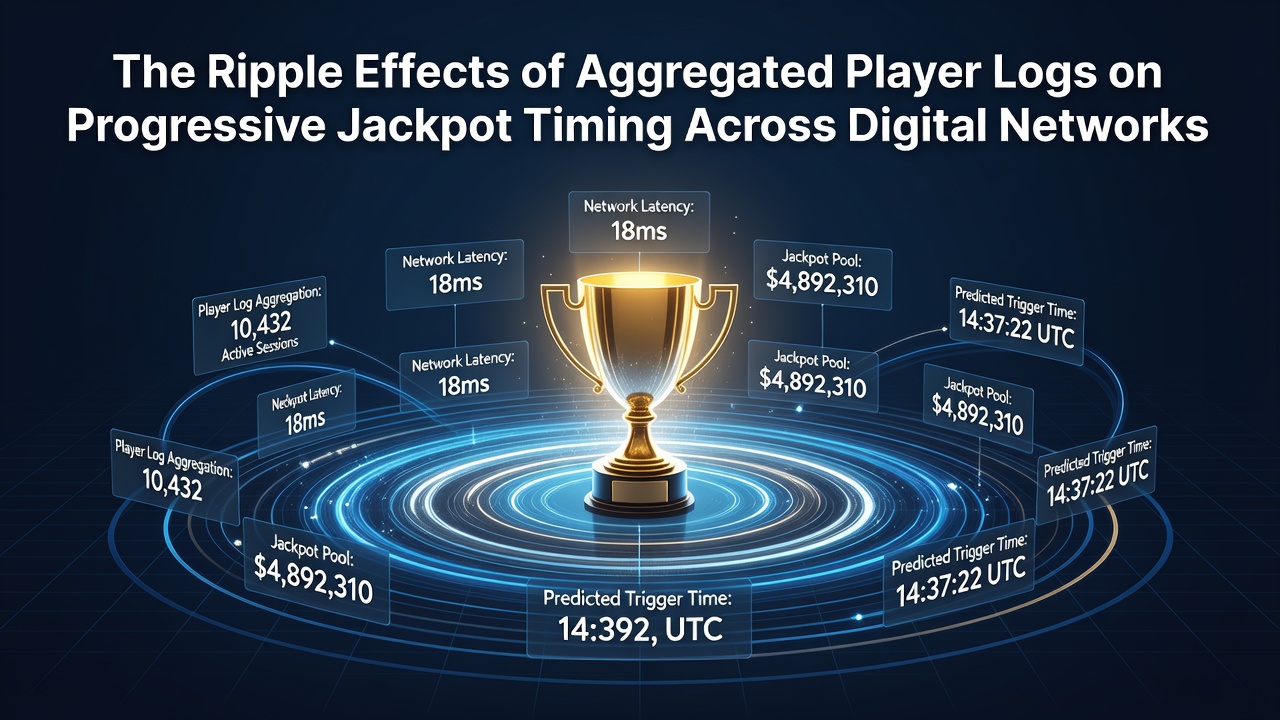
Digital gaming networks now collect player activity logs at scale, and these datasets directly alter when progressive jackpots trigger across connected platforms, because each bet contributes to a shared pool that advances according to aggregated contribution rates rather than isolated site activity. Operators track bet frequency, wager size, and session duration from thousands of accounts simultaneously, then feed those figures into algorithms that calculate remaining time to the next payout threshold.
Data Collection Mechanisms Across Platforms
Player logs arrive from multiple jurisdictions through standardized APIs, and regulators in Ontario, Australia, and several European markets require operators to report contribution volumes in real time so that jackpot meters remain synchronized. When a cluster of high-volume sessions occurs on one network segment, the overall pool grows faster, which compresses the statistical window before a trigger event becomes likely. Studies from the Nevada Gaming Control Board show that synchronized logging across linked sites can shift average jackpot intervals by as much as 18 percent compared with standalone operations.
Timing Shifts and Network Ripple Effects
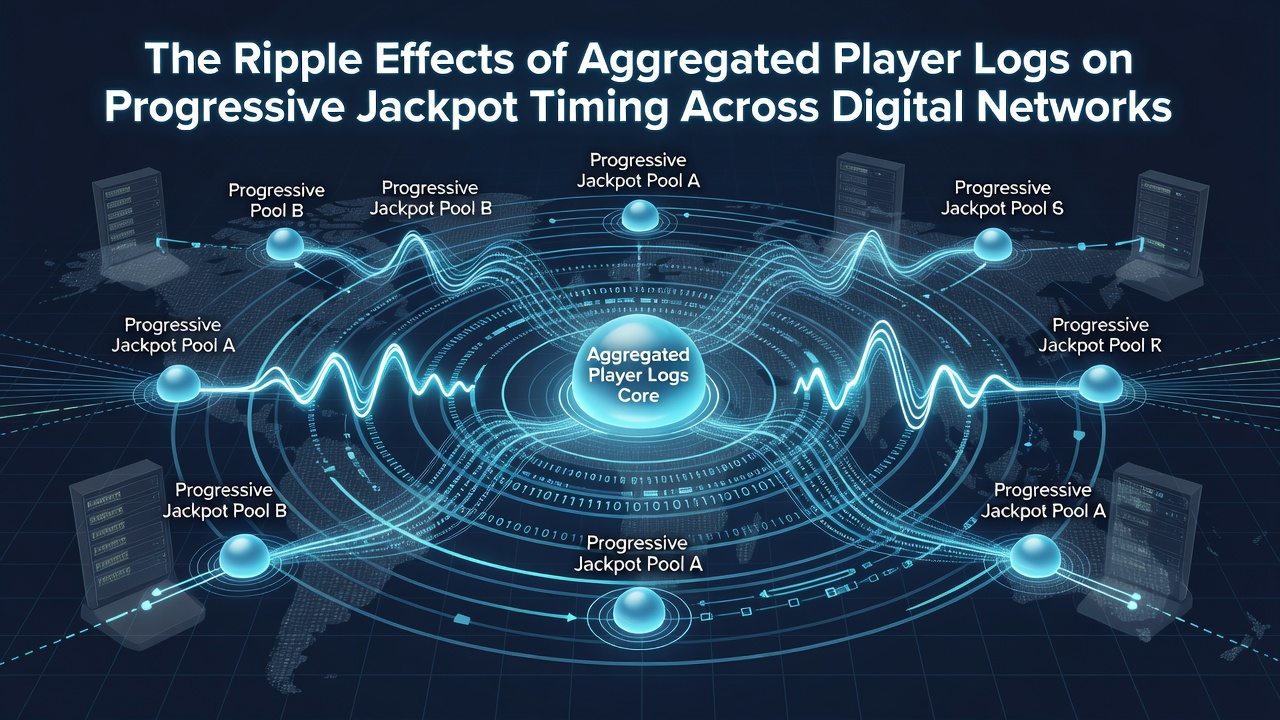
Once logs are aggregated, timing predictions update continuously, and jackpot controllers adjust seed values or contribution percentages to maintain target payout frequencies. A sudden surge in logged activity during evening hours in one time zone therefore accelerates meter growth for players in other regions who remain unaware of the upstream data spike. This creates observable clusters where multiple jackpots on different networks approach their thresholds within hours of each other rather than spreading evenly across weeks.
Regulatory Responses and Reporting Standards
Authorities have responded by mandating audit trails for every aggregated dataset used in jackpot calculations, and November 2026 updates from the Australian Communications and Media Authority introduced new disclosure rules that require operators to publish monthly summaries of how player log volumes influenced payout timing. These reports must include variance metrics that compare predicted versus actual trigger intervals, giving oversight bodies clearer visibility into whether aggregation practices create unintended acceleration or delay patterns.
Technical Infrastructure Behind Synchronization
Backend systems rely on distributed ledgers to record each logged bet contribution without introducing latency, while machine-learning models analyze historical log patterns to forecast when the next threshold will be crossed. When an unexpected volume of activity appears in the logs, the models recalibrate expected timing within seconds, and operators receive alerts that allow them to adjust promotional offers or server capacity accordingly. Research published by the University of Nevada, Reno gaming laboratory demonstrates that such rapid recalibration reduces meter volatility by nearly a quarter across multi-site progressive pools.
Player Behavior Correlations
Observers note that players who monitor public jackpot meters often increase wager sizes once meters approach certain levels, and aggregated logs capture these behavioral shifts in aggregate form, which in turn feeds back into timing calculations. The result is a feedback loop where visible meter growth encourages further logged activity that then shortens the remaining interval to payout. Industry reports from the Canadian Gaming Association document similar patterns in remote gaming markets where progressive pools span multiple provinces.
Conclusion
Aggregated player logs now serve as the primary driver of progressive jackpot timing across digital networks, and the synchronization of these datasets continues to evolve under regulatory scrutiny from multiple jurisdictions. As logging standards tighten and analytical models improve, the intervals between major payouts will reflect collective activity patterns more precisely than ever before, with operators and oversight bodies tracking those shifts through standardized reporting channels.